

Roof Replacement: Must-Have Tips for a Smooth Process
The Roof Replacement Process: A Comprehensive Guide
The roof replacement process can seem daunting, but with the right preparation and understanding, it can be a smooth operation. Whether you’re a homeowner in Maine, Massachusetts, or New Hampshire, replacing your roof is vital for maintaining your property’s value and ensuring safety.
Understanding the Roof Replacement Process
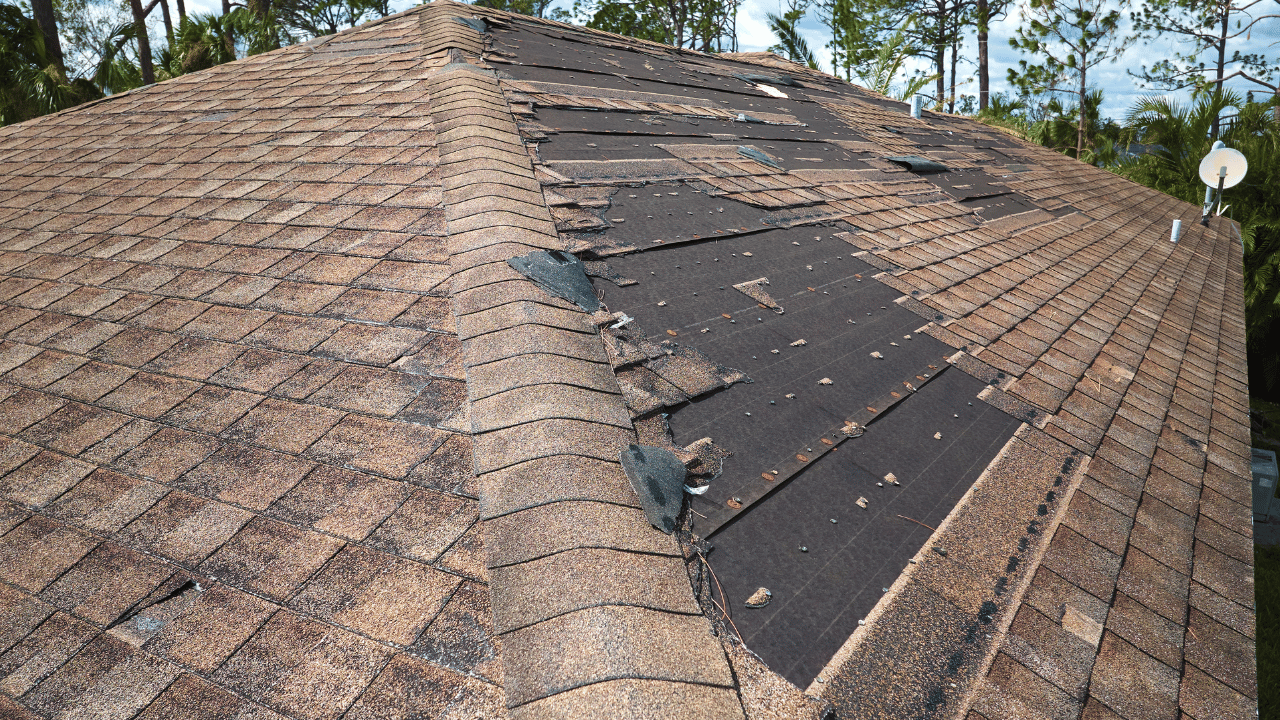
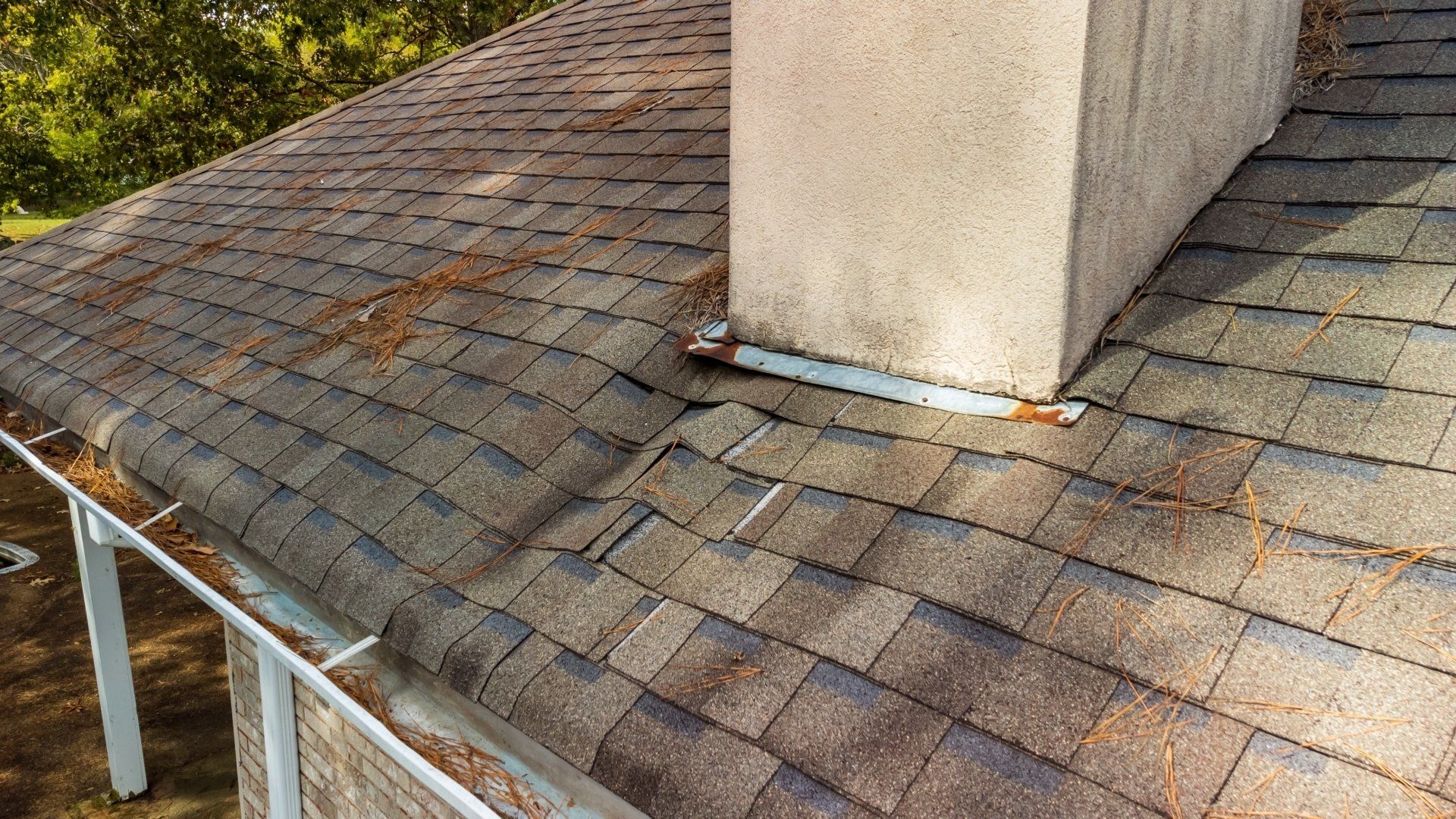
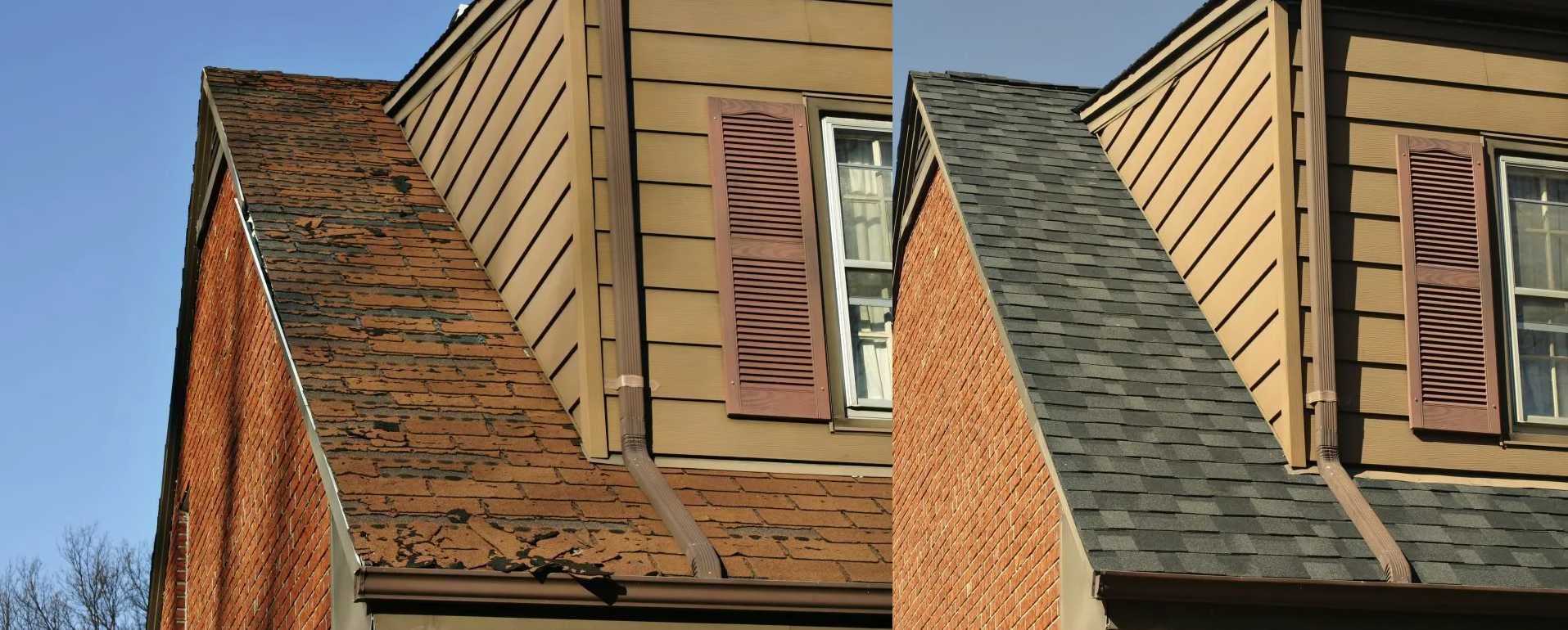
The first step in the roof replacement process is to assess the current condition of your roof. This involves checking for leaks, assessing shingle wear, and evaluating the overall structure. If you’ve noticed uneven shingles, stains on your ceilings, or significant moss growth, it’s time to consider a replacement. An experienced contractor will conduct a thorough examination to help you determine the best course of action.
Once you’ve decided to replace your roof, the next phase is to select the appropriate materials. The choices are extensive, but they can generally be categorized into asphalt shingles, metal roofing, wood shakes, and tiles. Each material has its pros and cons influenced by factors such as weather conditions, aesthetics, and budget constraints. For example, while asphalt shingles are popular in New Hampshire due to their affordability and effectiveness in cold climates, metal roofing might be favored in coastal areas of Maine for its durability against storms.
Step-by-Step Guide to Roof Replacement
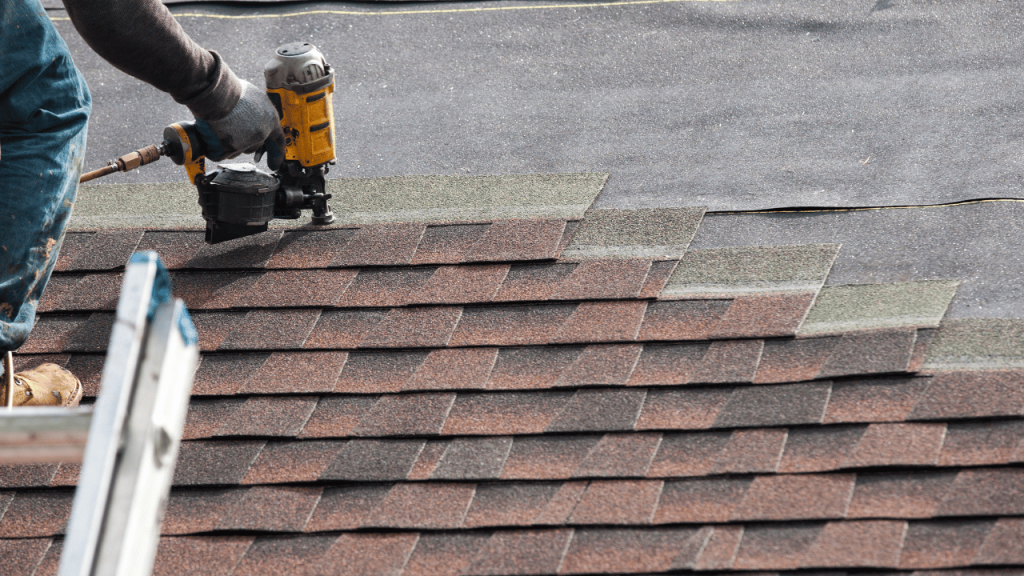
Materials and Equipment Used in a Roof Replacement
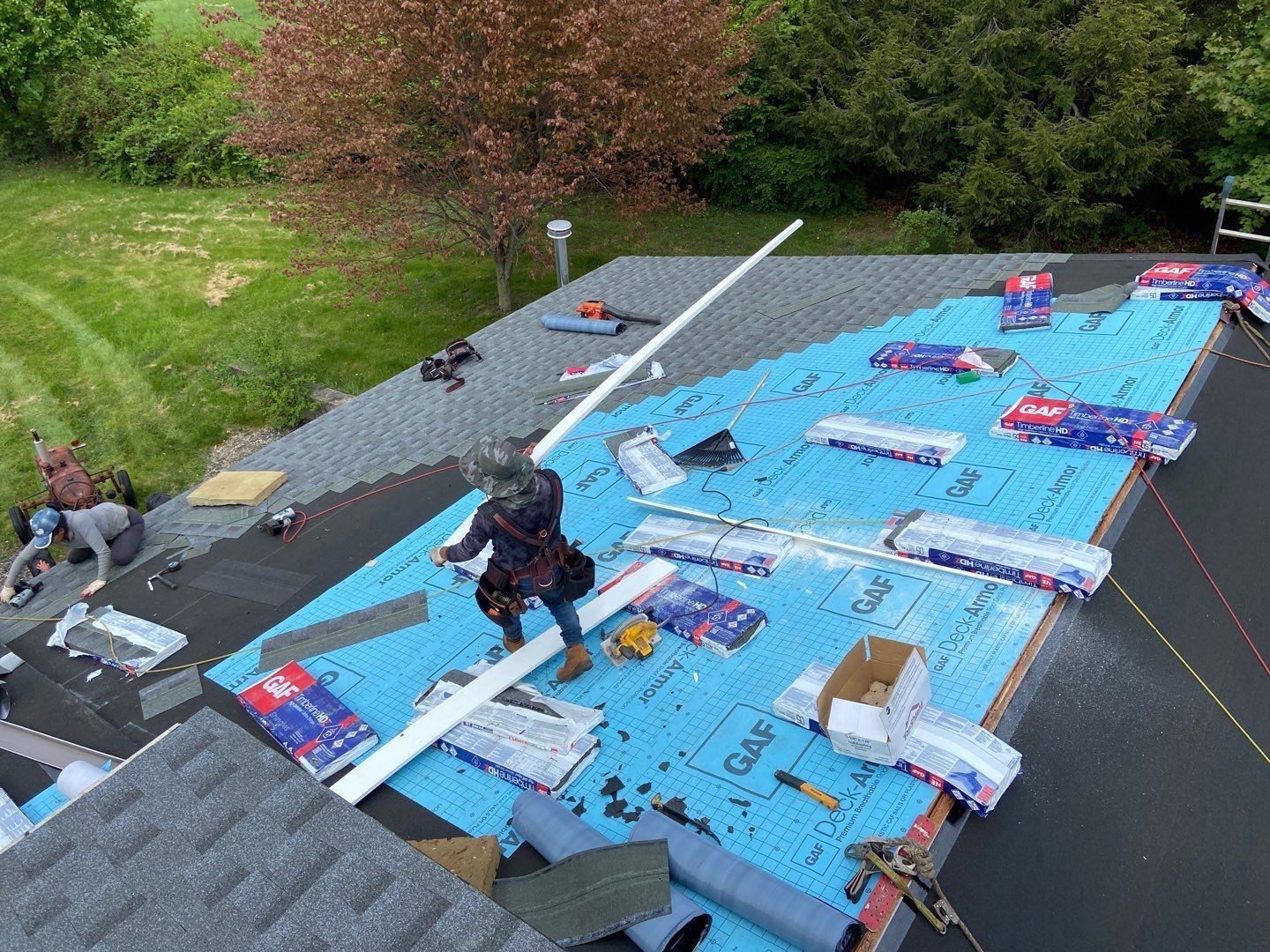
Roof replacement involves a variety of materials and tools. Understanding these will help you comprehend the work being done on your property.
- Materials:
- Shingles: The most common roofing material, available in architectural and three-tab styles.
- Underlayment: A critical component that acts as a protective barrier.
- Flashing: Used around chimneys and vents to prevent leaks.
- Ventilation Systems: To allow air circulation, which helps prevent moisture buildup.
- Equipment:
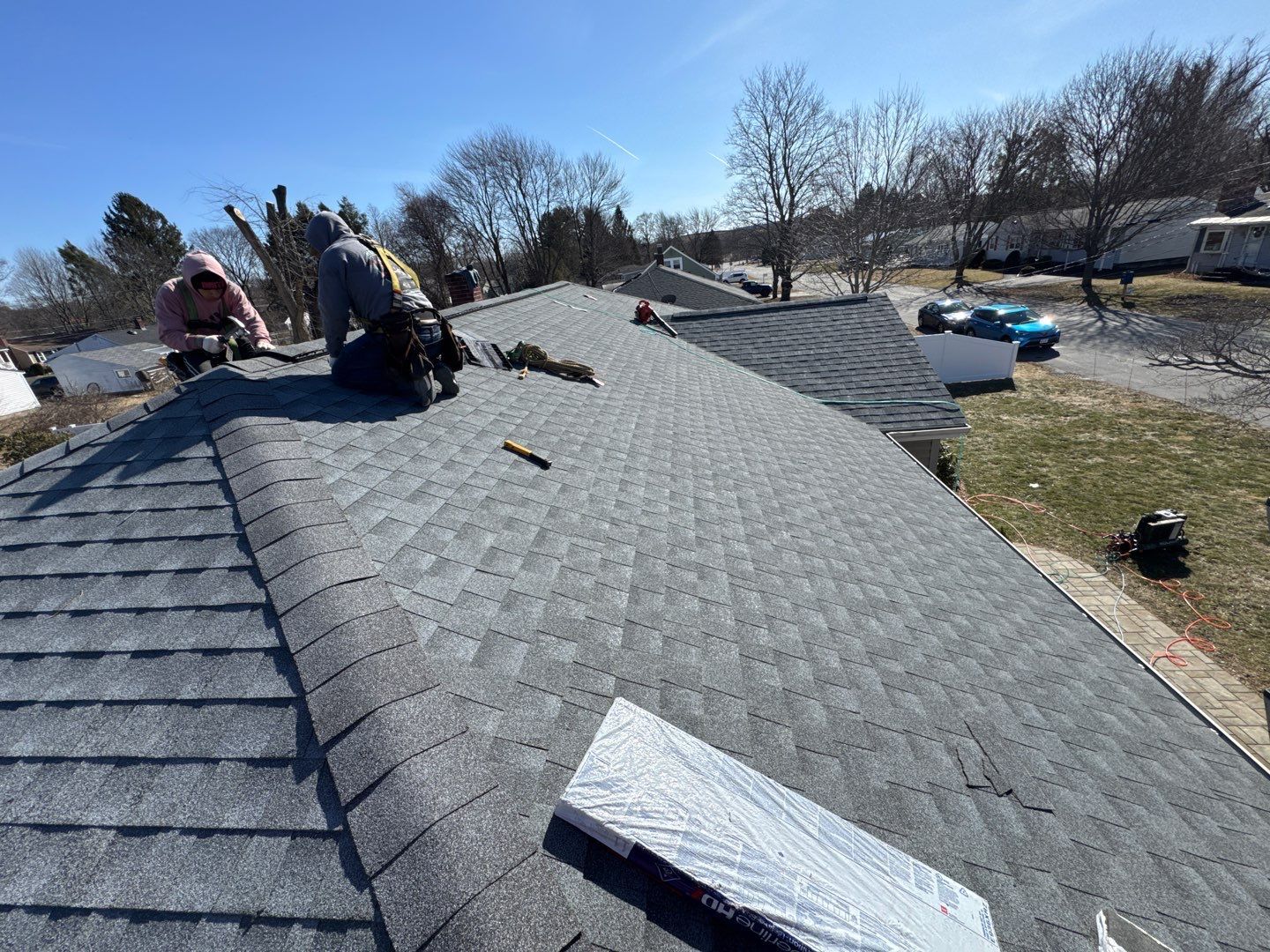
- Ladders and Scaffolding: Essential for reaching high areas safely.
- Nail Guns: For quickly and efficiently attaching shingles.
- Tear-off Equipment: To safely remove old roofing material.
- Safety Gear: Helmets, harnesses, and gloves are vital for crew protection.
Safety Precautions for the Roof Replacement Crew
Working on a roof can be dangerous, and adhering to safety measures is paramount. Some precautions that should not be overlooked include:
- Fall Protection: Crew members should wear harnesses connected to a safety line.
- Proper Training: Ensure all workers are trained in roofing safety protocols.
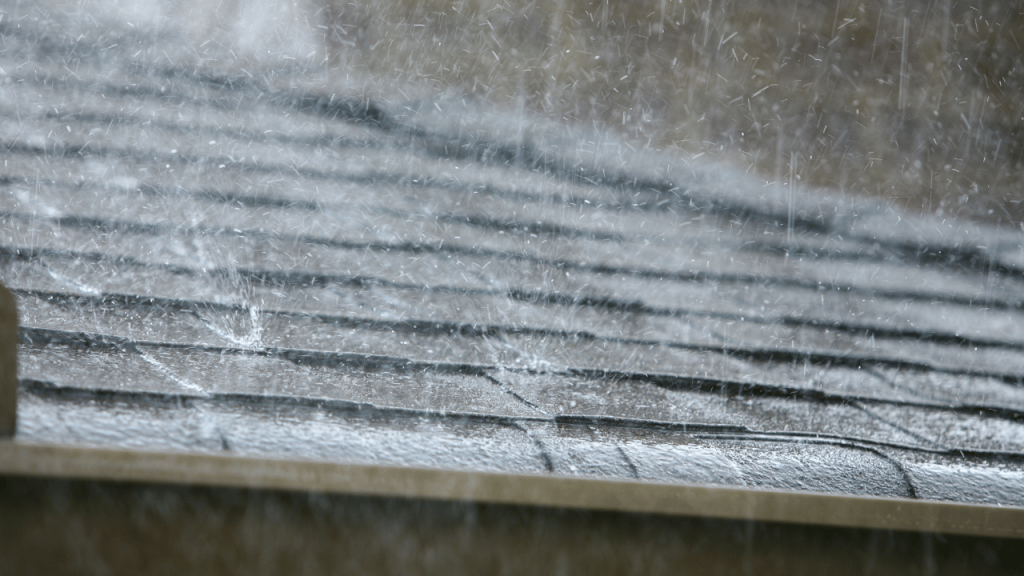
- Weather Considerations: Rain, snow, or high winds can make roofing work hazardous. In New Hampshire, crews should heed local weather advisories.
- Clear Work Area: Keeping the ground area clear of tools and debris will reduce the risk of tripping and other accidents.
In conclusion, while the roof replacement process might appear complex, being informed can simplify it immensely. By understanding each step, preparing adequately, and collaborating with a reputable contractor, you can ensure a successful roof replacement project in Maine, Massachusetts, or New Hampshire. Taking the necessary precautions will also ensure the safety of your crew and your property, resulting in a roof that will serve you well for many years.
This is paragraph text. Click it or hit the Manage Text button to change the font, color, size, format, and more. To set up site-wide paragraph and title styles, go to Site Theme.