
ADU Construction & In-Law Suite Services in Maine, Massachusetts & New Hampshire
Accessory Dwelling Units, often called ADUs, in-law suites, or secondary living spaces give homeowners flexible options for family, guests, or potential rental income while staying on the same property. As an ADU builder serving homeowners in New England, we help plan, design, and construct ADUs that meet local requirements, blend with existing homes, and function well for everyday living.
What an ADU Actually Is (And How It Works on Your Property)
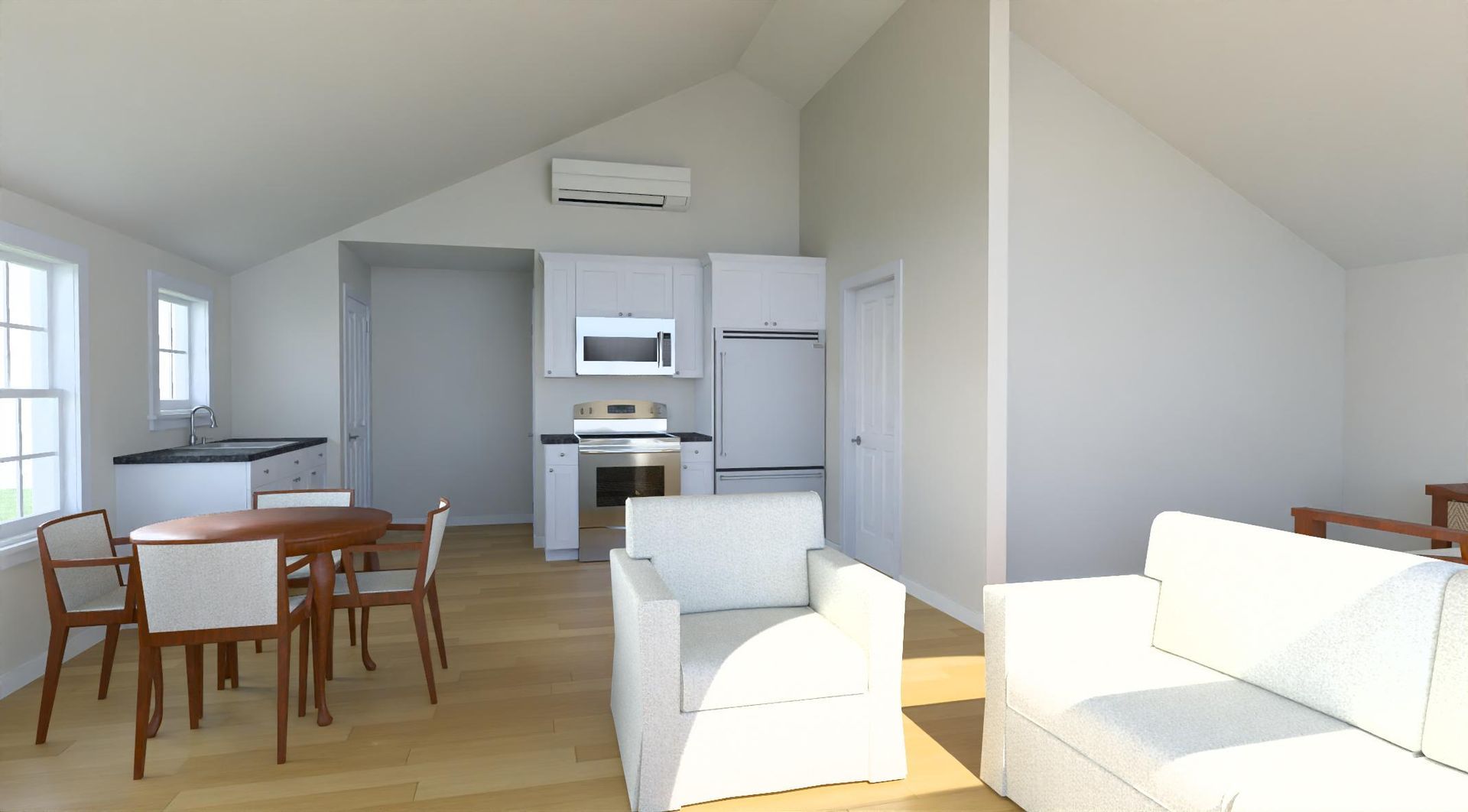
An ADU is a separate, self-contained living space built on the same property as an existing home. It typically includes a bedroom or sleeping area, bathroom, and small kitchen, and can be attached to the main house, built as a standalone structure, or created by converting existing space.
The right ADU depends on zoning, lot layout, utilities, privacy needs, and how the space will be used, whether for family, aging parents, downsizing, or supplemental income.
Looking for more space?
Types of ADUs We Build
There’s no one-size-fits-all ADU. We help homeowners choose the right approach for their property.
ADUs can take several forms:
- Detached Backyard ADU — standalone cottage or tiny-home style builds
- Attached ADU / In-Law Suite — connected to the main home with its own entrance
- Garage Conversion ADU — converting existing space into a livable unit
- Basement ADU — lower-level living spaces designed with proper egress and moisture control
Each ADU is designed to include independent living amenities bedroom, kitchen (or kitchenette), bathroom, and separate entrance ensuring privacy and functionality regardless of how it’s built.
Our Approach to ADU Design and Construction
ADUs are more complex than most home projects because they act like small homes on the same property. Our focus is on planning first and building second.
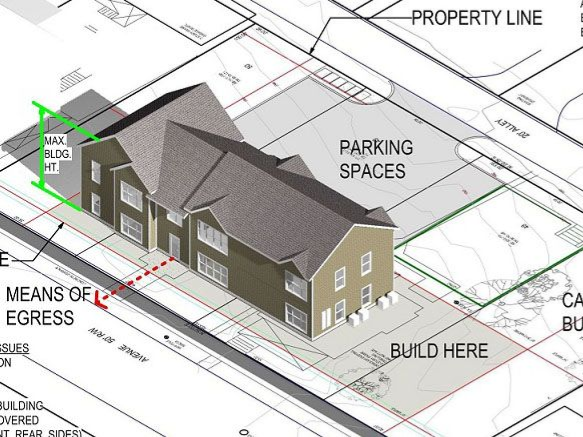
Feasibility + Zoning Review
Understanding setbacks, lot coverage, height restrictions, and local ADU rules.
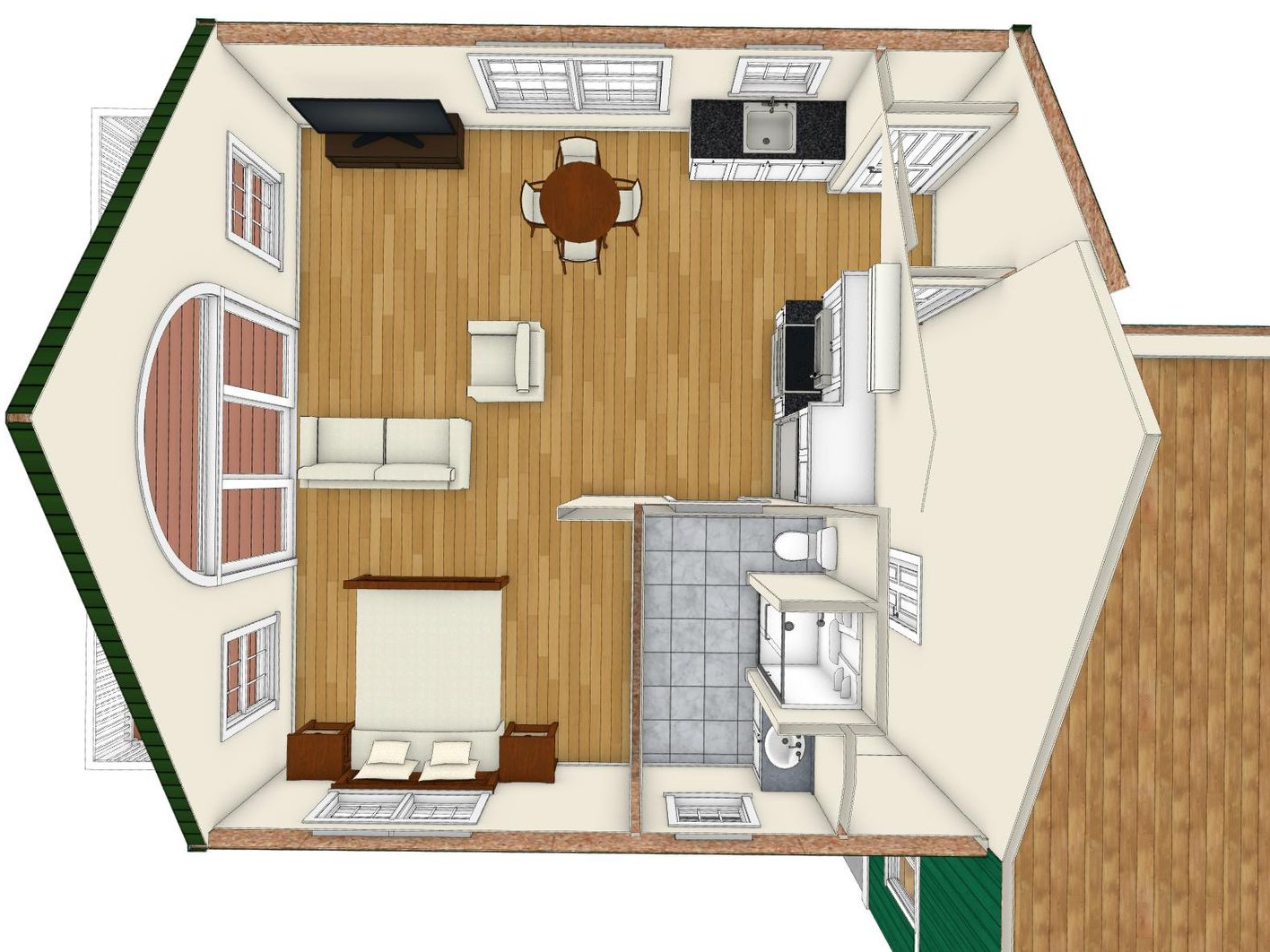
Design and Layout Planning
Making the space functional, private, and comfortable.
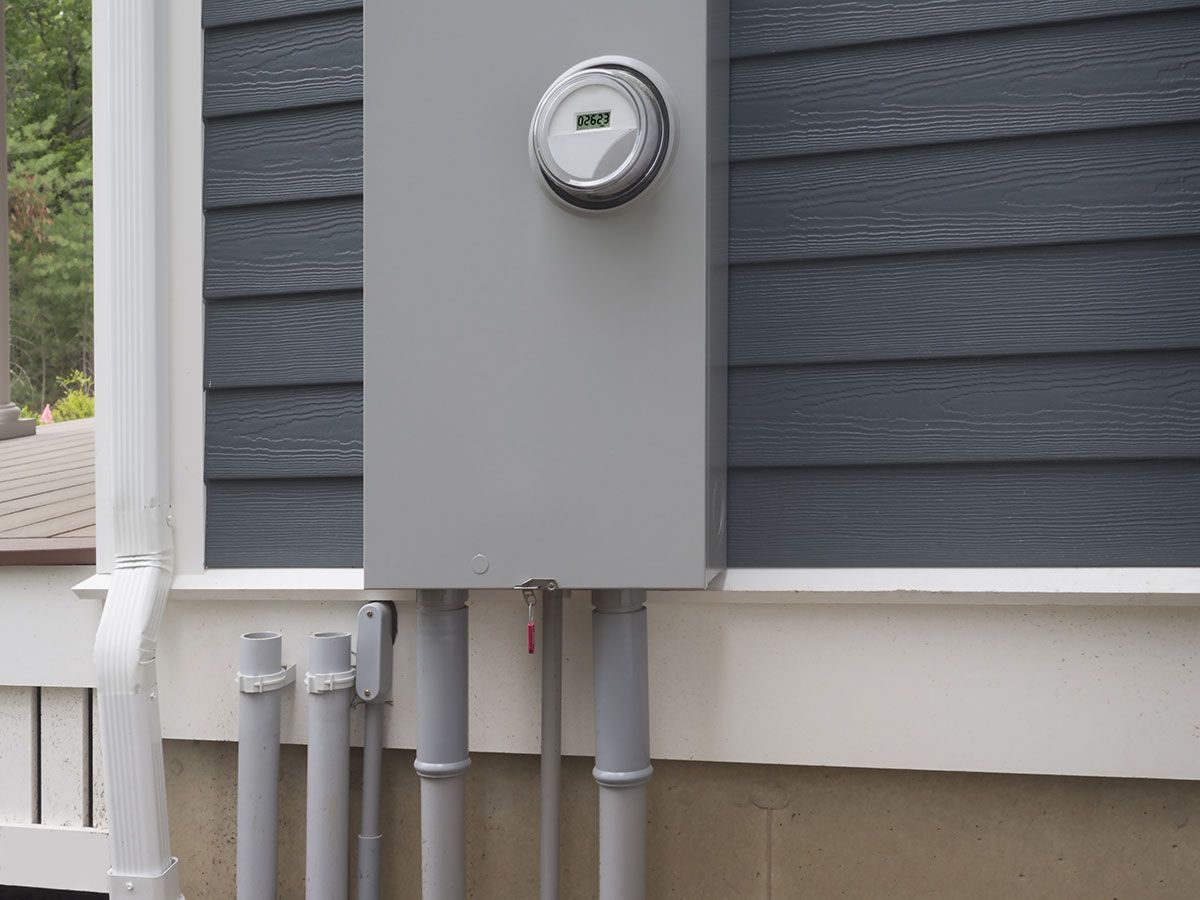
Utility Planning
Determining the best approach for water, electrical, sewer, and HVAC.
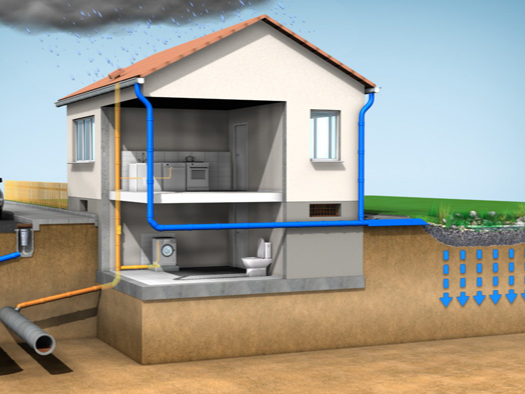
Structural and Site Considerations
Foundations, drainage, grading, access paths, and tie-ins.
Permitting and Inspections
Managing approvals so the project is built legally and correctly.
Budgeting and Cost Considerations for ADU Projects
One of the most important conversations in any ADU project is understanding realistic budget ranges before design moves too far. ADUs function like small homes, which means they include many of the same components foundation, framing, roofing, electrical, plumbing, and finishes all within a smaller footprint.

- Costs are influenced by size, design complexity, utilities, and site conditions
- Detached units typically cost more than interior conversions because they require additional foundations and utilities
- Conversions may appear simpler, but upgrades for code compliance and safety can affect pricing
- Planning the budget early helps guide design decisions instead of forcing changes later
Our role is to walk homeowners through budget expectations up front, so the design aligns with what makes sense financially before any major commitments are made.
Frequently Asked Questions About ADU Construction & In-Law Suites
What’s the difference between an “ADU,” “in-law suite,” and “additional dwelling unit”?
They’re all terms for the same concept — a self-contained living unit on single-family property. “ADU” (Accessory Dwelling Unit) is the formal term; “in-law suite,” “additional dwelling unit,” or “secondary unit” are common synonyms.
Can an ADU be detached or attached?
ADUs can be detached standalone units (like a cottage, guest house, or converted garage) as well as attached additions to the existing home; or built by converting existing interior space (like a basement or attic).
Does an ADU need its own kitchen, bathroom, and entrance?
Yes to qualify as an ADU it must be a fully functional, independent living unit with sleeping, cooking, bathing, and a separate entrance for privacy.
Why build an ADU / in-law suite on my property?
ADUs give you flexibility: host family members, generate rental income, provide extra privacy, or add value to your home all without buying new land.
How much does an ADU cost?
ADU's vary greatly in there size, type, and design. Unfortunately we cannot accurately provide a ball park price range for these projects.
What is the cost to get a quote for the estimate?
We perform a free discovery call and initial visit. If you would like to move forward with the design phase, there is a fee for the Architech, cost depends on project scope.
I have a septic tank, can I still build an ADU?
Yes, but we will need to get your septic systerm evaluated. The min requirment for most municipalities is to have a septic shelf plan on file which is a plan to install a new septic system.
Is an ADU the Right Move for Your Property?
Whether you’re exploring an in-law suite, guest space, or a small detached unit, we’re happy to talk through feasibility, costs, and next steps so you can make an informed decision before moving forward.
Service Area
Maine
York County
Massachusetts
Essex County
Middlesex County
Worcester County
New Hampshire
Hillsborough County
Merrimack County
Rockingham County
Strafford County