



What Basement Finishing Really Involves
Finishing a basement is more than putting up walls and flooring. A well-built basement project addresses comfort, safety, and long-term moisture protection first, then builds out the living space around those needs.
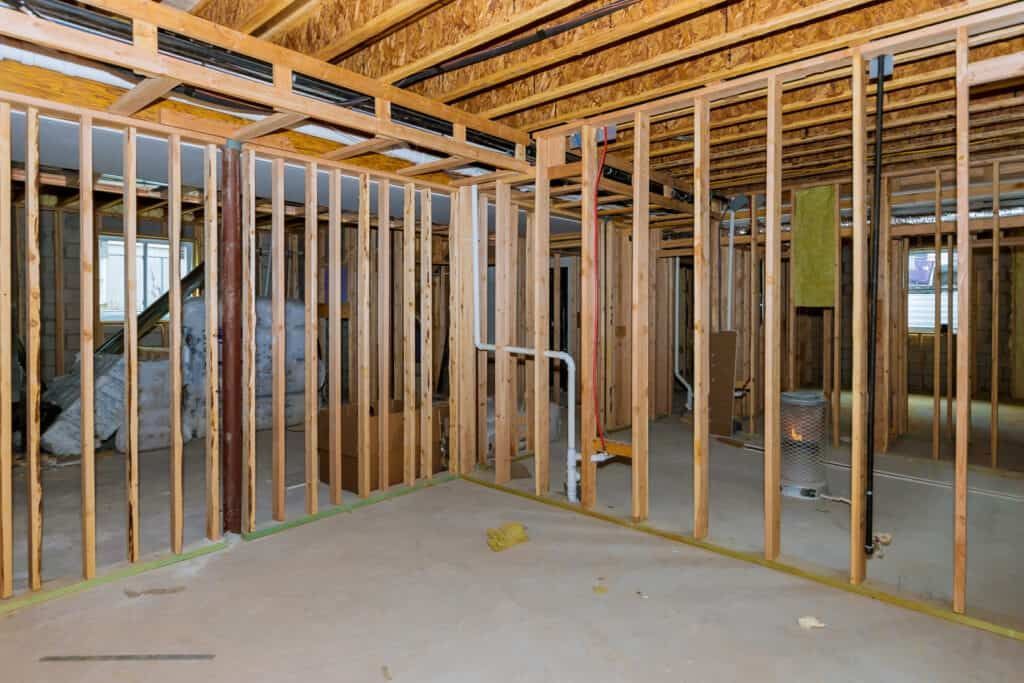
Most basements include planning for:
- Moisture and water intrusion prevention
- Proper insulation and vapor control
- Safe electrical layout and lighting
- Heating, cooling, and airflow
- Code-compliant egress where required
- Sound control and comfort
The goal is a finished basement that looks good and performs well over time.
Common Basement Spaces We Create
Every family uses their basement differently, so we help design spaces that fit your needs instead of forcing one layout.
Examples include:
- Family or media rooms
- Kids’ playrooms
- Guest or flex rooms
- Home offices
- Workout spaces
- Hobby or storage-friendly layouts
(If something like bedrooms or in-law setups might require special code conversation, we explain that clearly up front.)
Our Approach to Finishing Basements
A thoughtful basement project starts with understanding why the homeowner wants the space, how it will be used, and what conditions already exist in the basement.
Our approach focuses on:
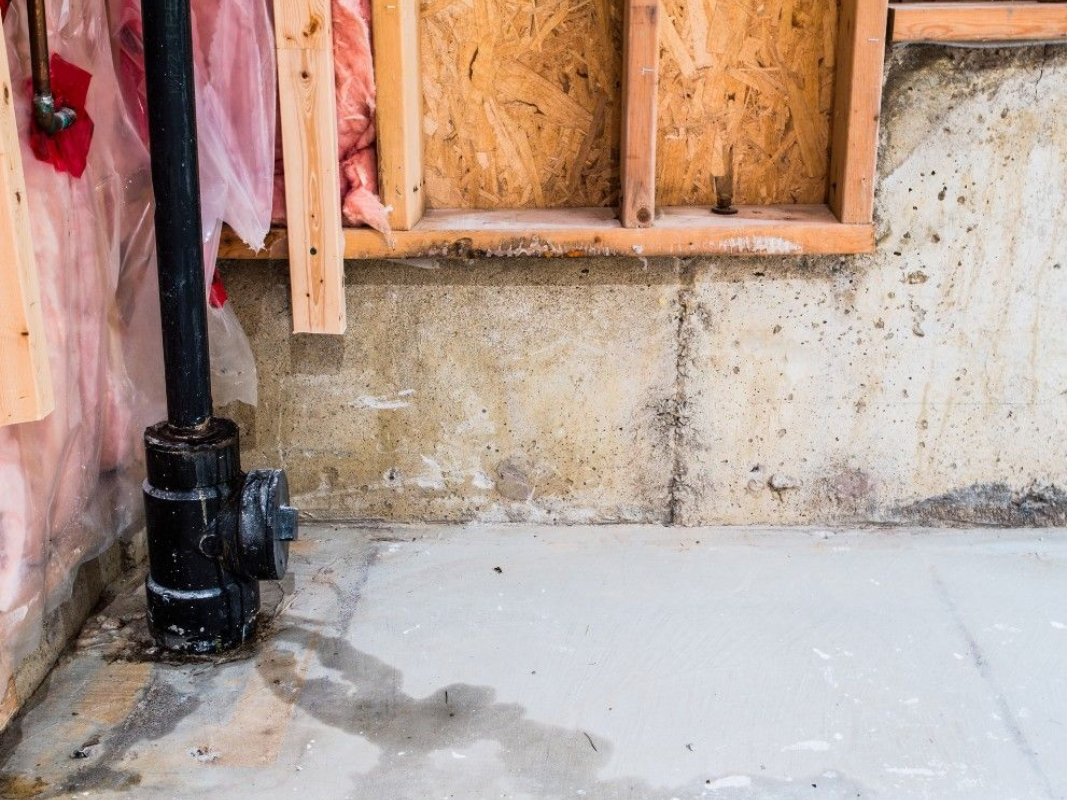
Evaluating Existing Conditions
Checking for water issues, insulation gaps, and structural considerations before work begins.
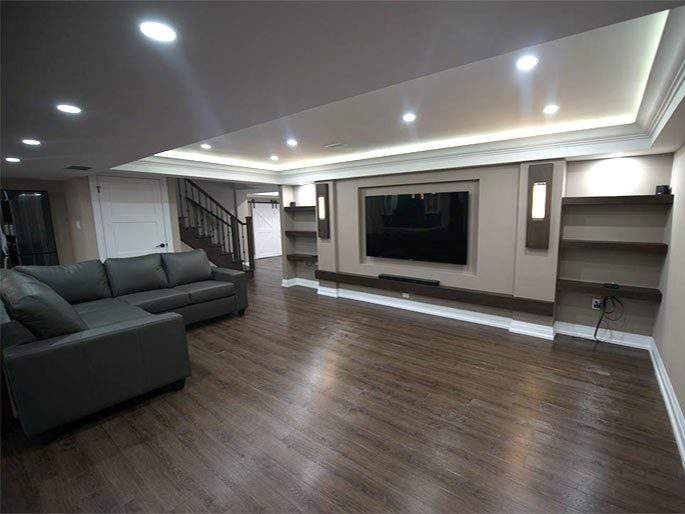
Designing For Comfort
Lighting, airflow, and layout so the space doesn’t feel closed in.
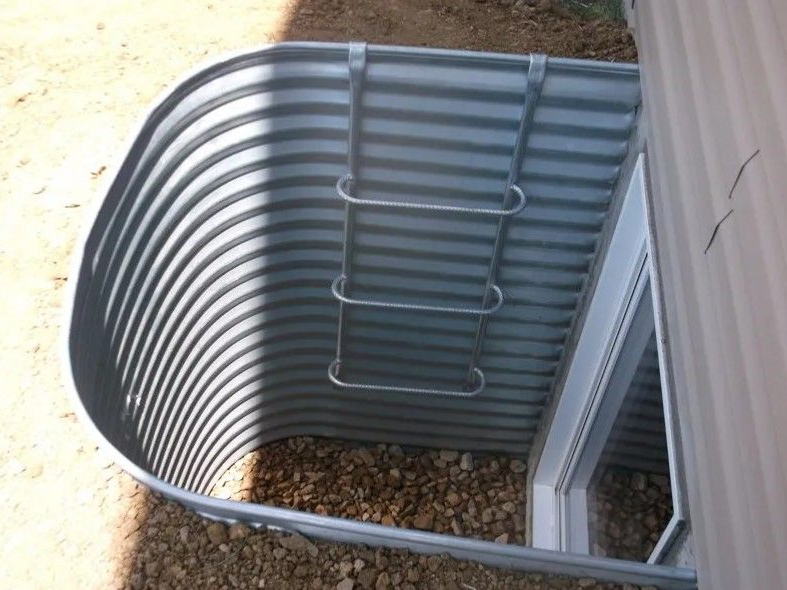
Safety and Code Awareness
Egress, smoke/CO alarms, and electrical requirements.
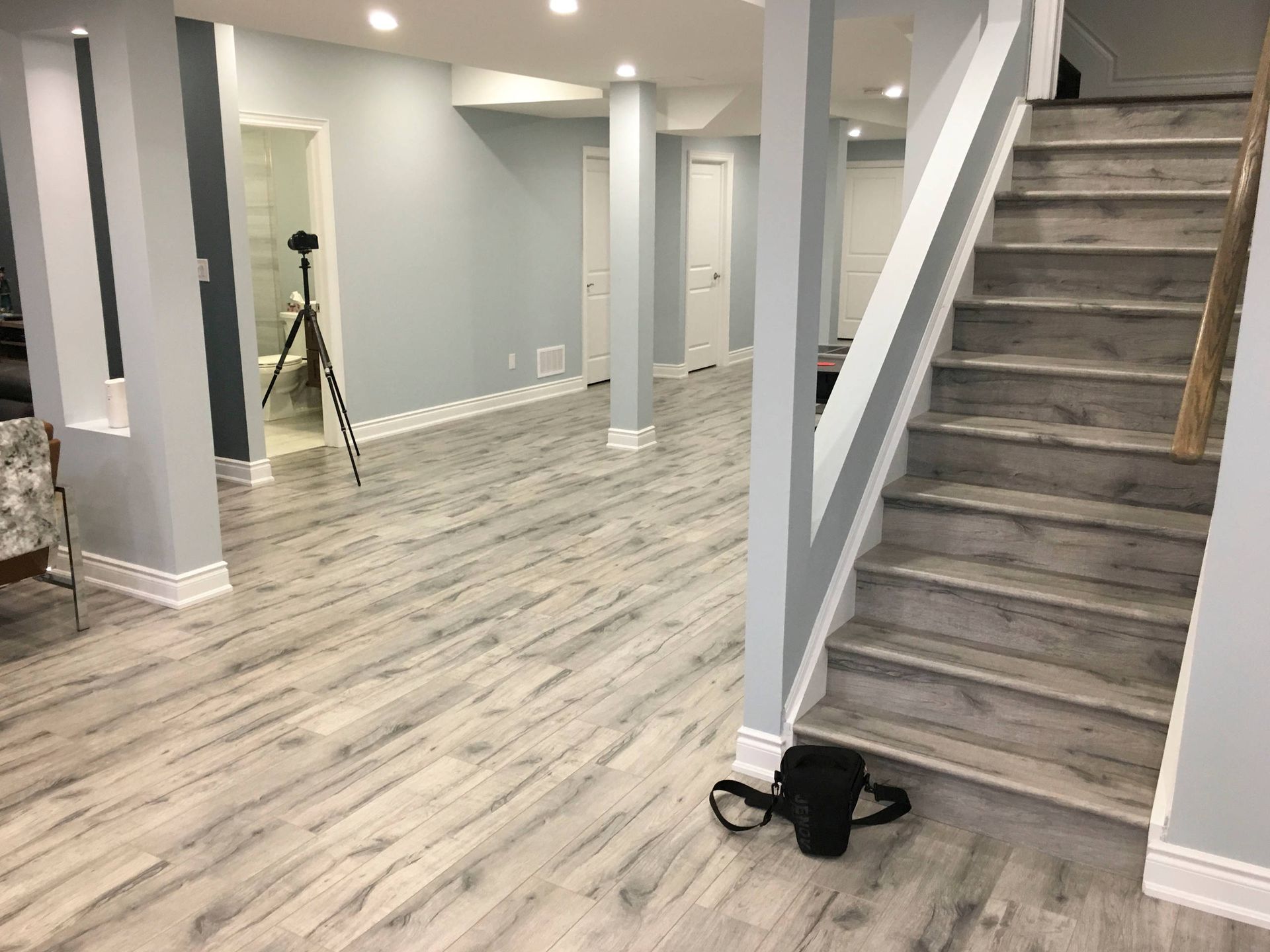
Material Selection
Using products appropriate for below-grade spaces rather than typical above-grade materials.
Recent Basement Finishing Projects in Pinardville, New Hampshire
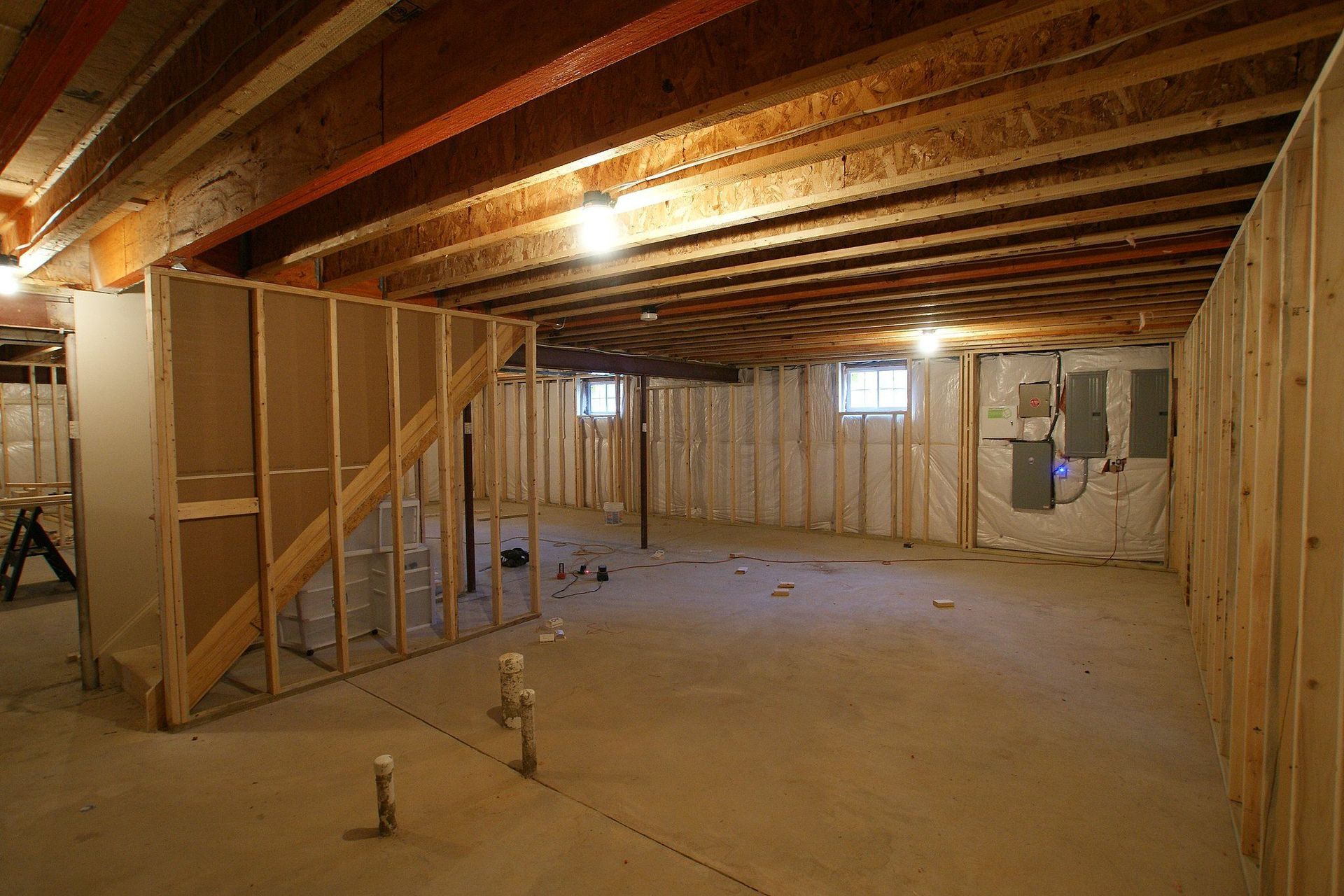
Moisture and Basement Protection — The Most Important Step
The number one mistake in basement finishing is covering moisture problems instead of solving them. Before framing or finishing work begins, we look closely at drainage, seepage, humidity, and insulation concerns so the finished space stays comfortable and protected.
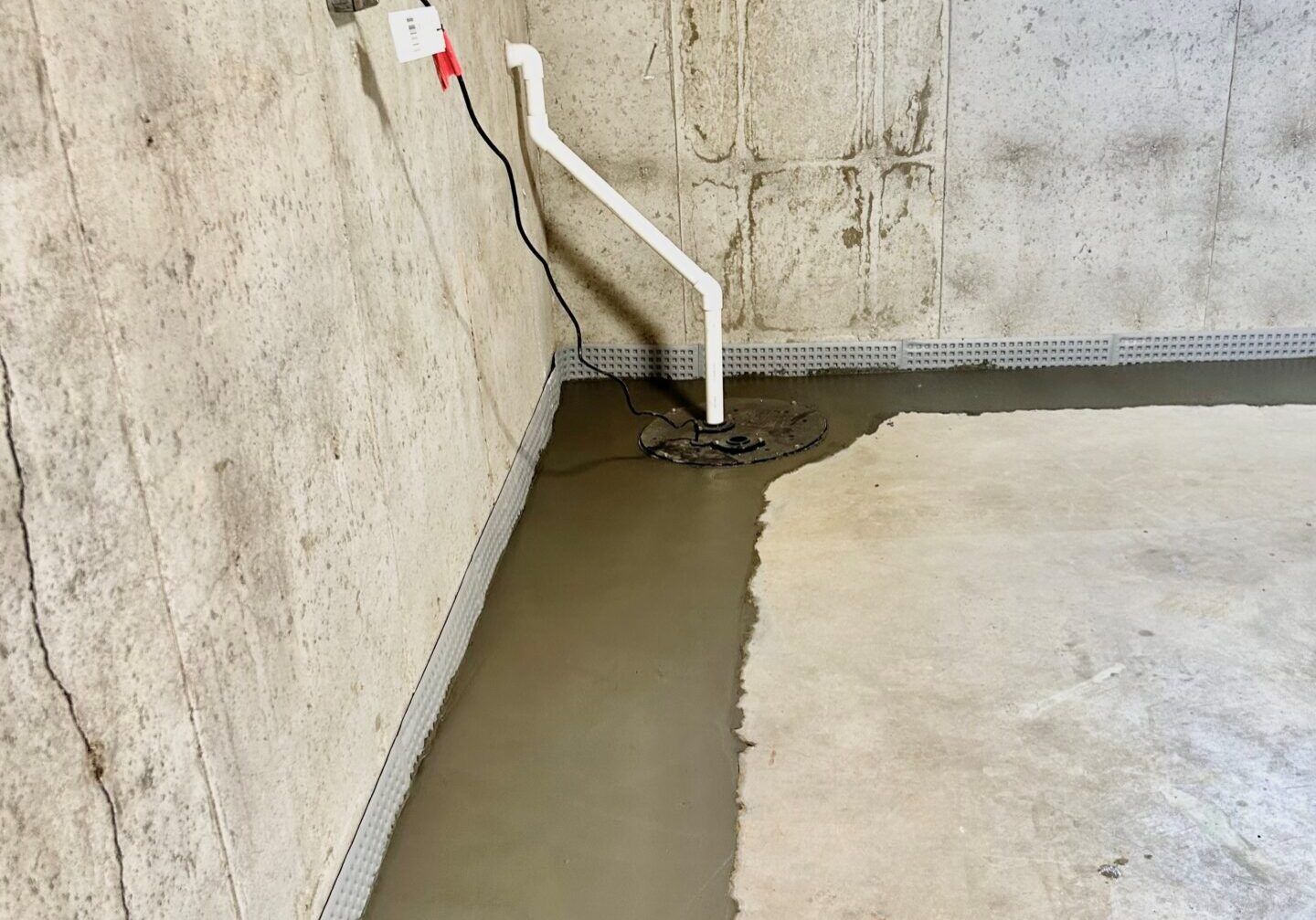
- Dehumidification
- Foundation cracks or seepage concerns
- Sump pumps or drainage considerations (if needed)
- Vapor barriers and moisture-smart insulation
- Airflow and ventilation
Flooring, Ceilings, and Finishing Choices
Basements benefit from materials chosen specifically for lower-level conditions. We walk homeowners through options designed to hold up to daily use while still looking great.
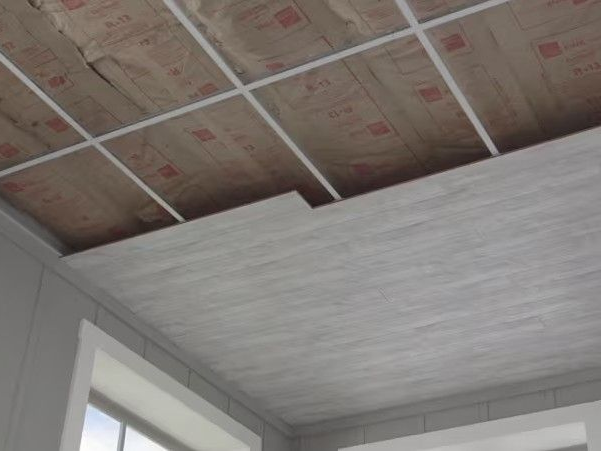
Typical options include:
- LVP (luxury vinyl plank) flooring
- Carpet over proper subfloor systems
- Drop or finished ceilings depending on access needs
- Recessed lighting and layered lighting plans
- Durable trim and paint finishes
Frequently Asked Questions About Home Remodels
How long does a typical basement finishing or garage remodel take?
Project duration depends on scope. Simple finishes may take a few weeks; larger or more complex renovations may take several months. We’ll provide a realistic timeline once we evaluate your space and design plan.
Do you help with design, or do I need to provide my own plans?
We can work with existing plans you have or we can coordinate with architects/designers to create custom plans that match your vision.
Will you handle necessary permits and inspections?
Yes. We manage all permitting, inspections, and code compliance for your remodeling project.
Can I combine multiple services, e.g., basement finishing + garage remodel + whole-house renovation?
Absolutely. We often combine services to streamline remodeling and can coordinate all work for maximum efficiency and minimal disruption.
What types of rooms can I create in a finished basement?
Nearly anything you can imagine: family rooms, bedrooms, gyms, home offices, playrooms, in-law suites, bars, entertainment rooms, laundry rooms, and more. We help determine what is feasible based on your existing layout and utilities.
Do basements require special moisture or waterproofing treatments?
Yes. Moisture control is critical. We evaluate your foundation, insulation, vapor barriers, drainage, and humidity levels to ensure the space is safe, comfortable, and durable before finishing begins.
Can you convert a garage into a livable room?
Yes. This typically includes insulating walls and ceilings, adding HVAC, electrical work, installing proper flooring, adding windows/doors, and ensuring the structure meets living-space codes.
Do garage remodels require structural modifications?
Sometimes. This depends on whether the walls need reframing, new windows are added, or the existing concrete slab needs leveling. We evaluate everything during the site visit.
Thinking About Finishing Your Basement?
If you’re considering turning your basement into usable living space, we’re happy to walk you through options, potential challenges, and realistic next steps. No pressure, just straightforward guidance so you can decide whether it makes sense for your home.